Avery Schwarz · 11 September 2026
Navigating Technical Migrations and Their Effects on Long-Term Visibility Metrics in Competitive Niches
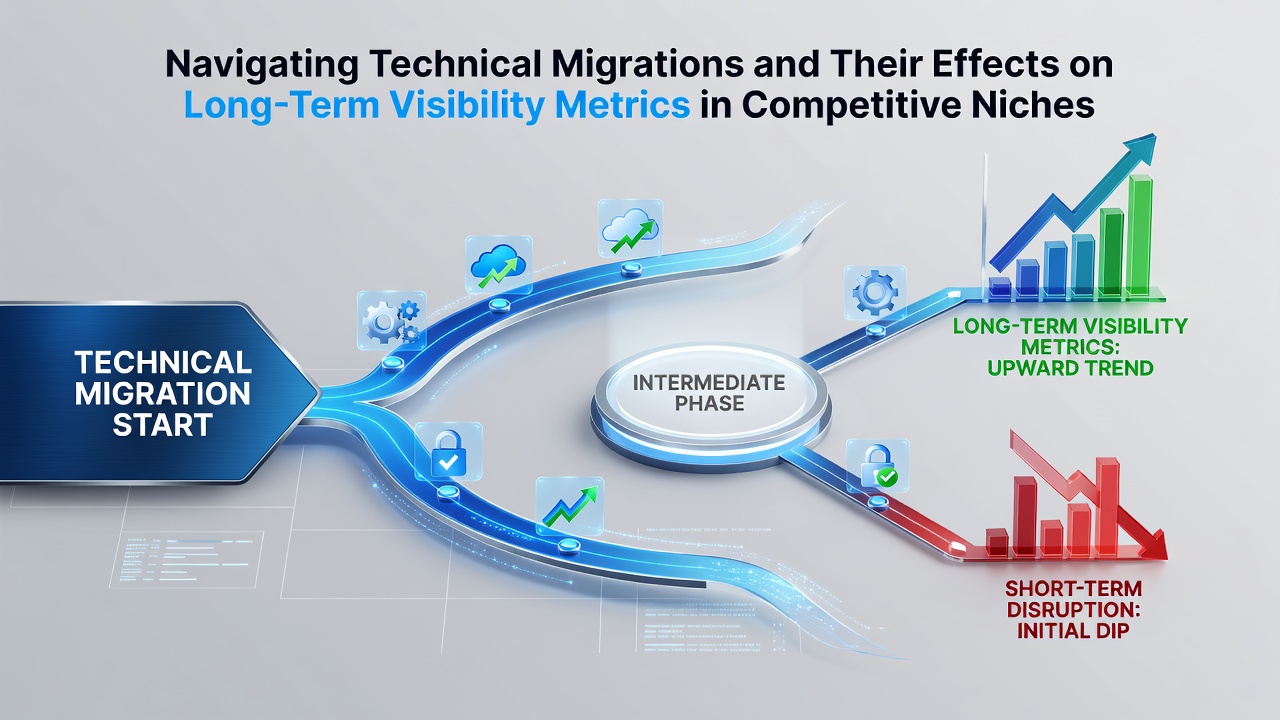
Technical migrations involve shifts such as platform changes, domain transfers, URL restructuring, and server relocations that reshape how search engines crawl and index sites in competitive niches. These processes require careful planning because even minor configuration errors can alter long-term visibility metrics including organic impressions, click-through rates, and keyword rankings that determine sustained traffic in sectors like finance, e-commerce, and professional services.
Common Migration Categories and Their Scope
Platform upgrades often occur when organizations move from legacy content management systems to newer frameworks while preserving existing content structures. Domain migrations take place during rebranding efforts or acquisitions where the primary web address changes entirely and requires comprehensive redirect mapping. Server migrations happen as companies shift hosting providers to improve performance or reduce costs and these transitions frequently coincide with adjustments to site speed and security protocols.
Data from industry reports indicates that URL structure modifications represent one of the most frequent triggers for visibility fluctuations because they disrupt established indexing patterns. Observers note that each migration type demands distinct preparation steps including crawl budget optimization, internal link audits, and external backlink notifications to minimize disruptions in high-competition environments.
Short-Term Visibility Shifts During Execution
Search engine crawlers typically detect changes within days of migration completion and initial indexing adjustments can produce temporary drops in impressions as new URLs replace established ones in results pages. Redirect chains that exceed recommended lengths create additional processing delays while incomplete sitemap submissions leave some pages undiscovered for extended periods. Competitive niches amplify these effects because multiple sites compete for the same high-value terms and any indexing lag allows rivals to capture additional share.
Tools such as server log analysis and search console data reveal patterns where mobile-first indexing priorities accelerate the need for responsive design verification during these transitions. Teams that coordinate migrations with scheduled algorithm updates often experience different recovery timelines compared to those that proceed without such alignment.
Long-Term Metric Trajectories in Crowded Markets
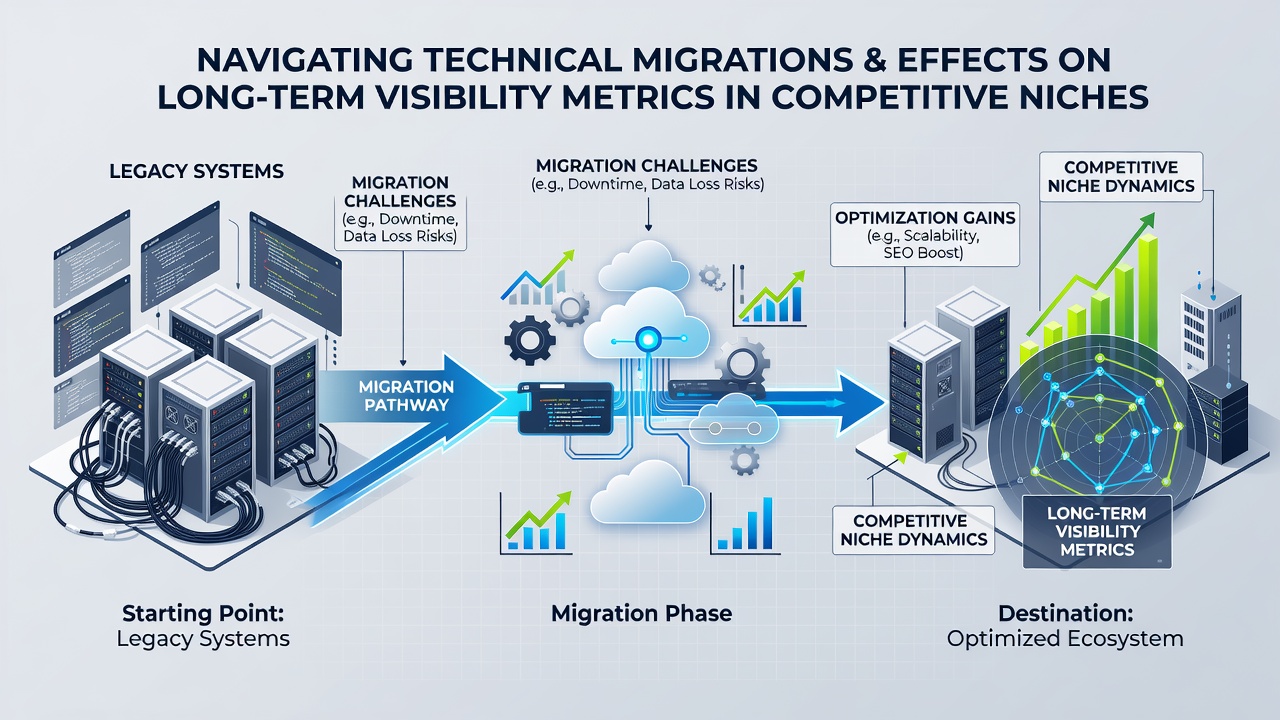
Long-term visibility metrics stabilize once redirects mature and authority signals transfer across new structures yet recovery periods vary based on niche competitiveness and migration thoroughness. Research indicates that sites maintaining consistent backlink profiles through proper 301 implementation retain more ranking momentum over twelve to eighteen month windows. Those operating in saturated markets face prolonged stabilization phases because algorithm adjustments continue to test new site configurations against established competitors.
September 2026 marks a period when several search platforms rolled out enhanced crawl efficiency protocols that favored sites with clean migration histories and minimal duplicate content issues. Organizations that completed migrations prior to these updates positioned themselves for steadier metric growth while later movers encountered additional scrutiny during the transition window.
Measurement Frameworks and Monitoring Practices
Visibility tracking relies on segmented data sets that separate pre-migration baselines from post-migration performance across organic search consoles and third-party rank tracking platforms. Analysts compare domain-level authority scores alongside page-level metrics to identify which content categories recovered fastest after structural changes. Regular audits of crawl errors and index coverage reports help surface lingering issues that affect long-term traffic sustainability in competitive spaces.
According to findings published by the U.S. Small Business Administration on digital infrastructure transitions, organizations that implemented phased migration testing achieved faster return to baseline visibility levels. European Commission reports on online platform competitiveness further highlight how structured monitoring during site changes correlates with preserved market positioning across regulated industries.
Preparation Steps That Influence Outcomes
Pre-migration inventories catalog every indexed page along with its associated metrics and external references so teams can prioritize high-value assets during the switch. Testing environments replicate production conditions to verify redirect functionality and schema markup integrity before live deployment. Post-launch verification includes systematic checks of canonical tags, hreflang attributes for international sites, and internal navigation paths that guide both users and crawlers.
Those who studied this process observe that integrating log file analysis with search console data provides clearer pictures of crawler behavior after migrations than either tool used in isolation. Competitive niches reward teams that document every configuration decision because historical records support troubleshooting when metrics deviate from projected recovery curves.
Conclusion
Technical migrations reshape visibility metrics through direct impacts on indexing speed, authority transfer, and competitive positioning that unfold over extended timeframes. Organizations that approach these projects with detailed mapping, phased testing, and ongoing metric segmentation position their sites for sustained performance in demanding market segments. Data shows that proactive coordination with platform updates and thorough post-migration verification reduce the duration and severity of visibility fluctuations across diverse competitive landscapes.