Dana Bauer · 9 October 2026
Investigating Engagement Indicators' Role in Fostering Stability Within Niche Online Spaces Amidst Ranking System Evolutions
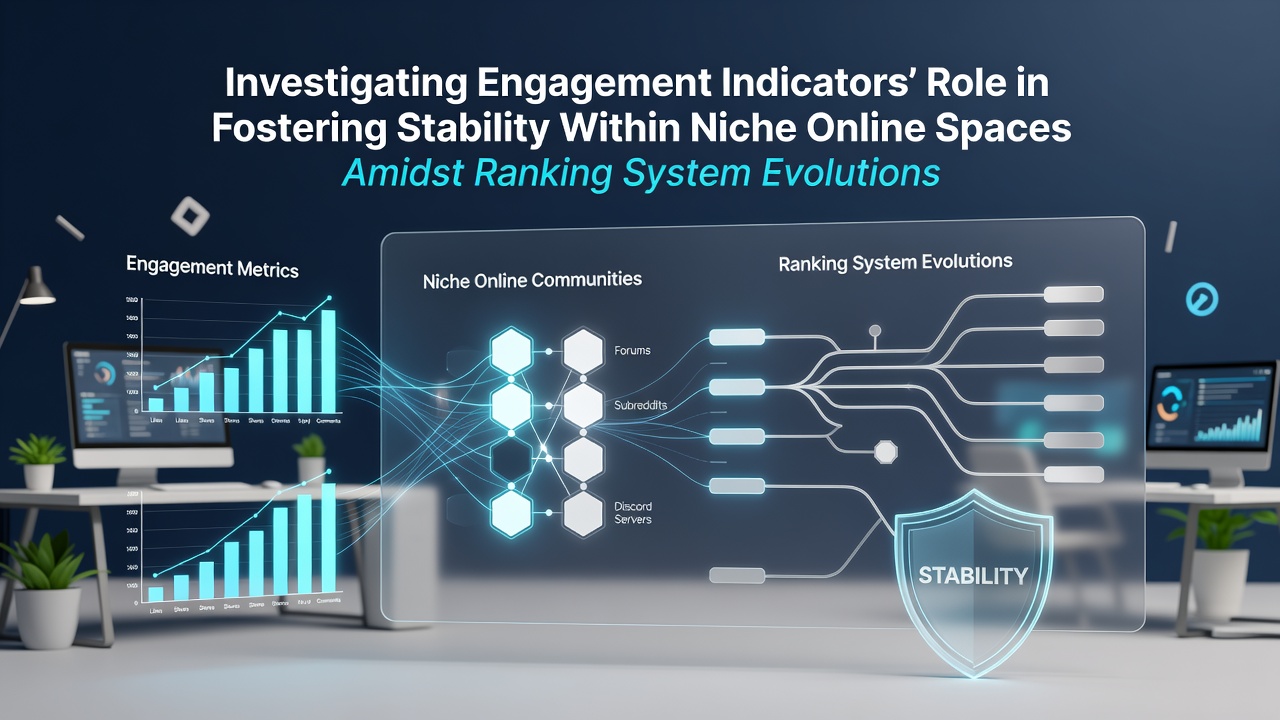
Engagement indicators such as comment volume, session duration, and interaction frequency have drawn attention from platform analysts who track how these signals contribute to community resilience when ranking systems undergo updates, and data from multiple studies shows that communities relying on consistent user participation often maintain visibility even as algorithms adjust their weighting criteria.
Defining Key Engagement Indicators in Digital Environments
Observers note that metrics including reply chains, content shares within closed groups, and return visit patterns serve as core indicators across specialized forums and topic-specific platforms, while researchers have documented how these elements interact with ranking mechanisms that prioritize user retention signals over pure content volume. Studies from academic institutions reveal correlations between sustained engagement levels and reduced fluctuation in search or feed positioning during periods of system recalibration, and analysts point to examples where niche sites preserved audience reach through strong internal activity rather than external promotion alone.
Ranking System Evolutions and Their Effects on Niche Communities
Platform operators have implemented changes to ranking frameworks at regular intervals, and in October 2026 several major services introduced modifications that emphasized behavioral depth alongside traditional authority markers, which prompted communities to examine their reliance on engagement data for maintaining consistent exposure. Data indicates that spaces with higher rates of meaningful interactions experienced smaller drops in traffic compared to those dependent primarily on inbound links, and reports from research organizations highlight how these adjustments affected visibility in areas like hobbyist discussion boards and professional interest networks.
Mechanisms Linking Engagement to Long-Term Stability
Engagement patterns function as feedback loops that ranking systems incorporate into their evaluation processes, and evidence suggests communities fostering repeated participation create buffers against sudden deprioritization when algorithms shift emphasis toward user satisfaction measures. Analysts have observed that indicators such as threaded conversations and multi-user contributions help establish signals of ongoing relevance, whereas isolated content uploads show greater vulnerability to ranking volatility. Those who have examined platform data note connections between stable engagement and slower membership churn, particularly in environments where users maintain ongoing dialogues rather than one-off visits.

Evidence from Platform Data and Research Findings
Figures from industry reports demonstrate that niche spaces incorporating engagement tracking tools saw measurable improvements in retention metrics following ranking adjustments, and one analysis from the European Commission digital reports outlined how behavioral signals influenced positioning in competitive topic areas. Researchers have identified patterns where communities with diversified interaction types maintained steadier audience flows, and data from university-led investigations confirms that sustained comment activity often aligns with reduced sensitivity to external ranking changes. Platforms in regions such as Australia have contributed similar observations through communications authority publications that track digital community health indicators.
Practical Approaches Observed Across Different Niches
Administrators in specialized online groups have implemented features designed to boost measurable engagement, including notification systems for ongoing threads and prompts for user contributions, and these adjustments correlate with steadier performance when ranking systems evolve. Evidence from case examinations shows that groups encouraging extended session times through curated content sequences experienced less disruption during algorithm transitions, while those focusing solely on initial clicks faced steeper declines. Analysts note that cross-referencing engagement data with ranking performance allows communities to identify which indicators provide the most reliable stability anchors amid system updates.
Conclusion
Engagement indicators continue to play a documented role in how niche online spaces navigate ranking system changes, and available data reveals consistent associations between active participation metrics and maintained positioning across multiple platform environments. Researchers and platform observers continue to track these dynamics as systems evolve, providing further insights into the measurable connections between user behavior signals and community endurance.