Dana Bauer · 6 November 2026
Charting Notification Cadence Effects on Loyalty Within Targeted Digital Ecosystems
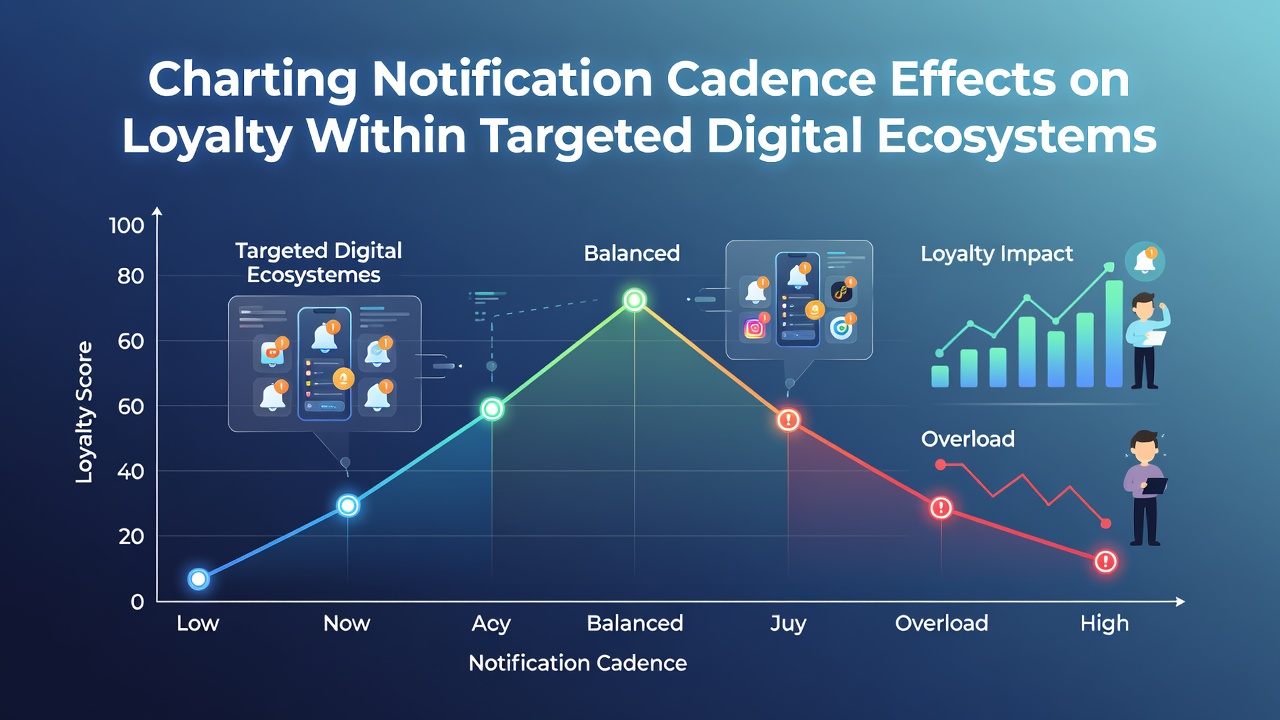
Notification cadence refers to the timing and frequency of alerts sent through apps and platforms within specialized digital environments, and researchers track how these patterns shape user retention across targeted groups. Data from multiple platform analyses indicate that sending messages at consistent intervals correlates with higher return rates, while irregular bursts often coincide with increased opt-out activity. Observers note that ecosystems focused on niche interests, such as fitness communities or professional networking tools, show measurable differences in loyalty metrics when cadence adjustments occur.
Defining Cadence in Digital Contexts
Platforms collect signals on user interaction times and segment audiences based on behavior patterns, then adjust delivery windows accordingly. Studies conducted across North American services reveal that morning notifications tend to produce stronger open rates in productivity-focused apps, whereas evening sends perform better in entertainment ecosystems. Those who monitor these systems find that over-sending within a single day frequently reduces subsequent engagement by measurable percentages, according to internal metrics shared in industry reports.
European research institutions have documented similar trends, with one analysis from a German university team showing that weekly summaries sent on Thursdays maintain higher click-through continuity than daily reminders in the same user cohort. The reality is that targeted groups respond differently based on content relevance and delivery rhythm, creating distinct loyalty curves that developers map over extended periods.
Measured Impacts on Retention
Figures from large-scale A/B tests indicate that users receiving notifications every other day demonstrate sustained session lengths compared with those exposed to daily alerts, while spacing messages further apart beyond four days correlates with gradual drop-off. Canadian regulatory data on digital services highlights how certain marketplaces adjusted their cadence protocols in 2025 and recorded corresponding shifts in repeat visit statistics. What's interesting is that loyalty here appears tied to perceived value rather than volume alone, as evidenced by tracking tools that separate active responders from passive recipients.
One documented case involved a health-tracking platform that reduced push frequency from three times weekly to once, resulting in a reported 12 percent lift in long-term account activity among its core demographic. Researchers discovered that this change coincided with lower complaint volumes regarding intrusive messaging, allowing the system to allocate resources toward content quality instead. And yet platforms that maintained higher cadence in entertainment verticals sometimes preserved loyalty through highly personalized timing that aligned with individual peak activity hours.
Regional Data Patterns and 2026 Developments
Australian academic reviews released in November 2026 examined notification logs from several localized apps and found that seasonal adjustments, such as increased frequency during holiday periods, produced temporary loyalty spikes followed by normalization once routines resumed. These patterns align with observations from U.S.-based analytics firms that track similar variables across consumer applications. But here's the thing: ecosystems serving professional audiences often favor lower cadence overall, since excessive alerts risk diluting perceived professionalism and prompting users to disable features entirely.
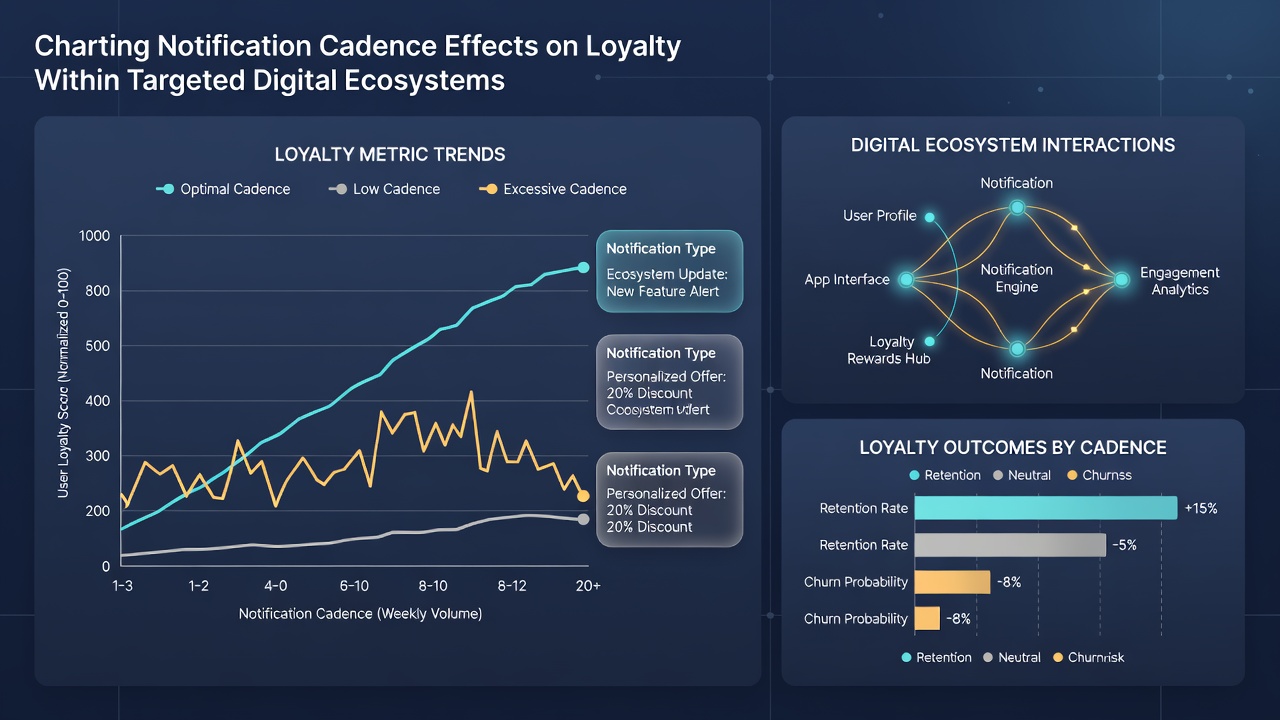
Industry organizations have compiled comparative tables showing that apps in the education sector retain users longer when reminders arrive at two-day intervals rather than daily, whereas gaming environments sometimes benefit from event-triggered sends that avoid fixed schedules. Data indicates these differences stem from user expectations within each niche, not universal rules. Observers note that November 2026 updates to several major platforms incorporated machine-learning adjustments to cadence, producing early signals of improved retention in beta groups.
Variables That Modify Outcomes
Content type plays a central role alongside timing, since relevant updates maintain attention even at moderate frequencies while generic alerts accelerate fatigue regardless of spacing. Research from a Singapore-based institute demonstrates that combining cadence controls with user-controlled preferences yields stronger loyalty outcomes than automated systems alone. Those who've studied the data know that demographic factors such as age and device type further influence results, with younger cohorts showing tolerance for slightly higher volumes when messages include interactive elements.
Platform architecture also matters, as integrated ecosystems that allow seamless transitions between notification channels and in-app experiences tend to sustain commitment across varied cadences. Evidence suggests cross-device consistency reduces friction and supports longer-term engagement metrics.
Conclusion
Tracking notification cadence against loyalty metrics continues to inform platform design choices across targeted digital spaces, with evidence drawn from diverse geographic sources pointing to rhythm as a key variable. Developers and analysts rely on ongoing measurement to refine approaches that match audience needs, and November 2026 observations confirm that adaptive strategies produce measurable differences in retention patterns. These findings underscore the value of systematic charting when managing communication flows within specialized online environments.